Optimal Body Composition for Healthy Aging Understanding body composition gives crucial insights into health and fitness. It refers to the proportions of fat, lean tissue (muscles, bones, organs), water, and other substances in the body. Monitoring these components helps assess overall health. As we age, natural changes in body composition occur due to several factors. …


Optimal Body Composition for Healthy Aging
Understanding body composition gives crucial insights into health and fitness. It refers to the proportions of fat, lean tissue (muscles, bones, organs), water, and other substances in the body. Monitoring these components helps assess overall health. As we age, natural changes in body composition occur due to several factors.
Youth and Early Adulthood
In youth and early adulthood, people generally have a higher proportion of lean body mass, including muscles and bone mass. During this period, individuals experience peak physical condition, robust muscle structure, and optimal bone density.
The Aging Process and Body Composition
Muscle Mass Decline (Sarcopenia)
One significant change with age is the gradual loss of muscle mass, known as sarcopenia. This process typically begins around age 30 and speeds up after age 50. The decline in muscle mass leads to decreased strength, reduced functional capacity, and increased risk of falls and fractures. Combating sarcopenia requires consistent resistance training and protein intake to support muscle health.
Increase in Body Fat
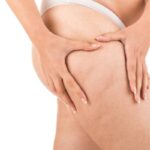
Aging often brings about a higher percentage of body fat. This change is more noticeable in women, mainly due to hormonal changes during menopause. Increased body fat can lead to health issues like obesity, diabetes, cardiovascular diseases, and joint problems. To manage body fat, it’s crucial to maintain a balanced diet and engage in regular physical activities that include both aerobic and strength-training exercises.
Decreased Bone Density
Bone density diminishes with age, especially in women after menopause due to hormonal changes. This reduction increases the risk of osteoporosis and fractures. Ensuring adequate calcium and vitamin D intake, along with weight-bearing exercises, can help maintain bone health and reduce the risk of bone-related injuries.
Changes in Water Content
As we age, the body’s water content decreases, leading to lower hydration levels. This drop affects various bodily functions, including digestion, temperature regulation, and overall cellular activity. Staying well-hydrated by drinking plenty of fluids and consuming water-rich foods like fruits and vegetables can help mitigate these effects.
Slower Metabolic Rate
Metabolism naturally slows down with age, resulting in lower energy expenditure. This slowdown makes weight management more challenging. To prevent weight gain, eat less and exercise more to increase metabolism and match lower calorie requirements.
Changes in Connective Tissue
Connective tissues, including tendons and ligaments, become less elastic and more prone to injury as we age. This decreased elasticity affects flexibility and mobility. Stretching exercises and activities like yoga or pilates can help maintain the flexibility of connective tissues, reducing the risk of injuries.
Hormonal Fluctuations
Hormonal changes, such as a decrease in growth hormone and sex hormones, significantly impact body composition. These shifts affect muscle mass, fat distribution, and bone density. Hormone replacement therapy and lifestyle modifications, under medical supervision, can help address some of these changes.
Strategies for Maintaining Healthy Body Composition with Age
Maintaining a healthy body composition as we age is vital for overall well-being and quality of life. Here are some effective strategies:
Regular Physical Activity
Engaging in consistent physical activity is crucial for counteracting muscle loss and maintaining bone density. Resistance training exercises, such as weight lifting or body-weight exercises, are particularly effective for preserving muscle mass. Additionally, incorporating aerobic exercises like walking, swimming, or cycling helps manage body fat and improves cardiovascular health.
Balanced Nutrition
Adopting a balanced diet that includes adequate protein, healthy fats, and complex carbohydrates supports muscle maintenance and energy needs. Consuming nutrient-dense foods, such as lean meats, fish, legumes, whole grains, fruits, and vegetables, ensures that the body receives essential vitamins and minerals.
Hydration
As we get older, our bodies lose water. To prevent this, it’s important to drink enough fluids and eat foods with high water content. This will help keep us hydrated and maintain our body’s water levels. Hydration supports various physiological processes and helps maintain skin elasticity and overall health.
Mindful Eating and Portion Control
As metabolism slows down, adjusting portion sizes and practicing mindful eating can prevent excessive calorie intake. This approach helps manage body weight and reduces the risk of obesity-related health conditions.
Regular Health Check-ups
Regular medical check-ups allow for early detection and management of health issues related to aging. Bone density tests, muscle mass assessments, and metabolic rate evaluations can provide valuable information for personalized health strategies.
Stress Management
Chronic stress can negatively impact body composition by increasing cortisol levels, which promote fat storage, particularly around the abdomen. Incorporating stress-reducing activities such as meditation, deep breathing exercises, and hobbies can help maintain a healthier body composition.
Adequate Sleep
Quality sleep is essential for overall health and well-being. Proper rest aids in muscle recovery, supports metabolic function, and regulates hormones that influence body composition. Aiming for 7-9 hours of sleep per night can foster better aging outcomes.
Embrace Aging Well
At En Santé Clinic & Medical Spa, we’ve developed a comprehensive plan for aging well. Our approach uses advanced tracking technology and validated solutions to monitor and optimize body composition over time. By embracing healthy lifestyle habits and modern healthcare practices, you can enjoy a vibrant and active life well into your later years.
Are you ready to start your journey towards healthy aging?
Book a Consultation
It’s easy and free!