GUIDE TO UNDERSTANDING AND TREATING STRETCH MARKS In our pursuit of healthy and radiant skin, stretch marks often emerge as a common concern. These distinctive lines, medically known as striae, can affect anyone, regardless of age, gender, or body type. Understanding their causes and exploring effective treatment options is key to managing and reducing their …

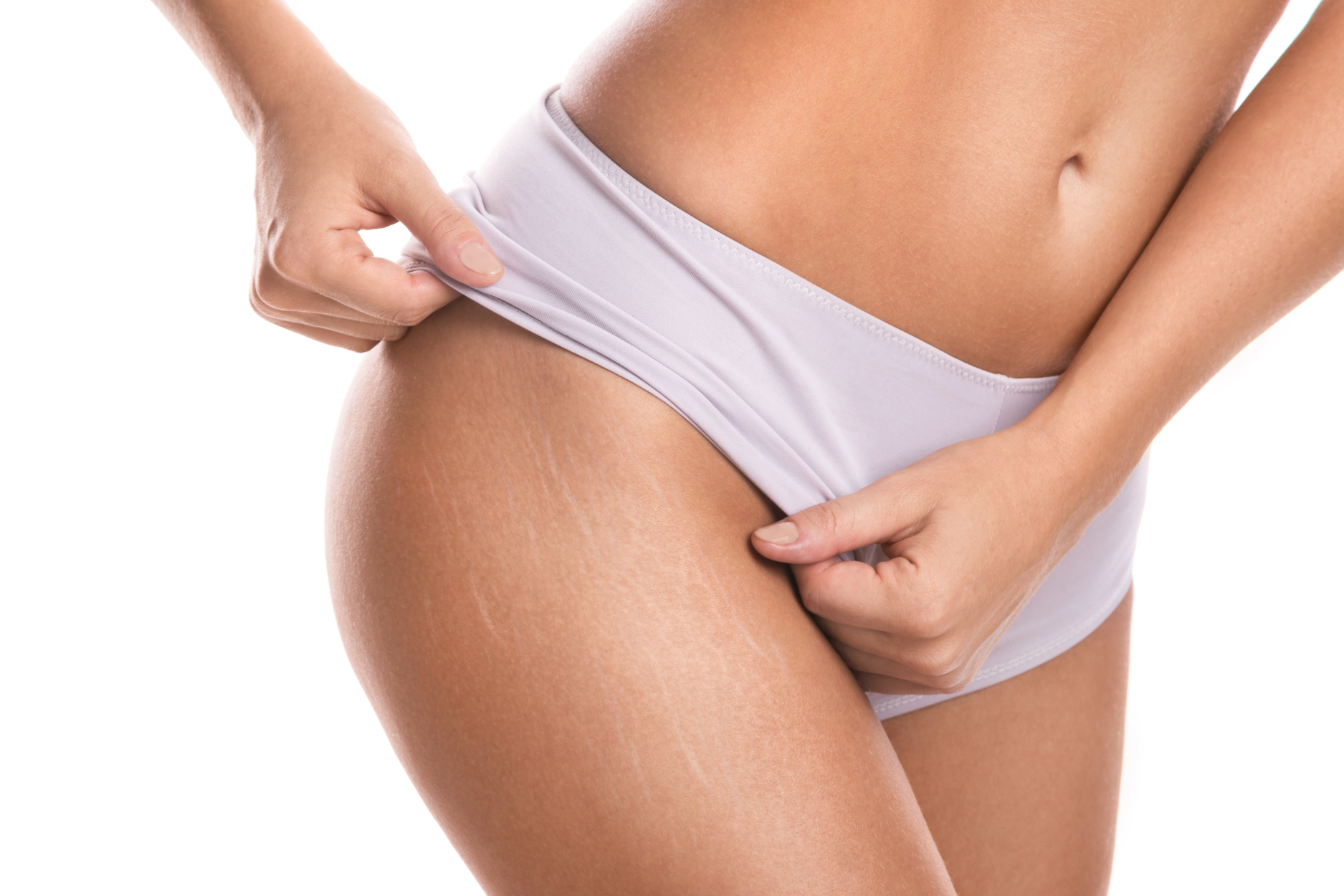
GUIDE TO UNDERSTANDING AND TREATING STRETCH MARKS
In our pursuit of healthy and radiant skin, stretch marks often emerge as a common concern. These distinctive lines, medically known as striae, can affect anyone, regardless of age, gender, or body type. Understanding their causes and exploring effective treatment options is key to managing and reducing their appearance.
CAUSES OF STRETCH MARKS
Stretch marks occur when the skin’s elastic fibers are stretched too much, causing tears in the skin that result in thin, reddish or purplish lines. They commonly appear during periods of rapid growth, such as pregnancy, puberty, or rapid weight gain. While stretch marks themselves are harmless, they can affect one’s self-confidence and body image.
HOW STRETCH MARKS FORM
Stretch marks develop when the underlying dermal layer of skin is subjected to excessive tension, causing collagen and elastin fibers to rupture. This rupture disrupts the normal architecture of the skin and leads to the formation of stretch marks. Hormonal changes, particularly increased levels of cortisone, play a significant role in diminishing the skin’s elasticity, making it more prone to developing these marks.
RISK FACTORS FOR DEVELOPING STRETCH MARKS
Several factors increase the likelihood of developing stretch marks, including:
- Genetics: A family history of stretch marks can predispose individuals to developing them.
- Rapid Growth: Sudden weight gain, growth spurts, or muscle gain can contribute to the formation of stretch marks.
- Pregnancy: The skin’s rapid expansion during pregnancy often results in stretch marks.
- Corticosteroid Use: Prolonged use of corticosteroid medications can weaken the skin’s collagen fibers.
- Chronic Conditions: Certain medical conditions, like Cushing’s syndrome, can increase the risk of stretch marks.
PREVENTION STRATEGIES
While it may not always be possible to prevent stretch marks entirely, adopting certain practices can minimize their occurrence:
- Hydration: Keeping the skin well-hydrated can enhance its elasticity and resilience. Drinking plenty of water and using moisturizing creams can help maintain skin hydration.
- Balanced Diet: A diet rich in vitamins, minerals, and proteins supports skin health. Foods high in vitamin C, E, zinc, and silica are particularly beneficial.
- Gradual Weight Changes: Avoid rapid weight fluctuations to allow the skin time to adjust. Gradual weight gain or loss can help the skin maintain its elasticity and reduce the risk of stretch marks.
TREATING EXISTING STRETCH MARKS
Addressing existing stretch marks requires a multi-faceted approach:
Topical Creams
Creams containing retinoids, hyaluronic acid, or collagen can improve the appearance of stretch marks by promoting collagen production and skin cell turnover. These topical treatments help rejuvenate the skin and reduce the visibility of stretch marks over time.
Massage and Hydration
Regularly massaging the affected area with moisturizers can promote blood flow and tissue repair. Ingredients like cocoa butter, shea butter, and almond oil are popular for their hydrating properties. Consistent massage and hydration can help improve skin texture and elasticity.
Microdermabrasion
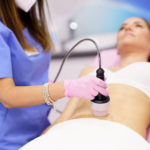
This minimally invasive procedure exfoliates the skin’s surface, aiding in the reduction of stretch marks by encouraging new skin cell growth. Microdermabrasion helps remove the outer layer of dead skin cells, revealing fresher, healthier skin beneath.
MEDICAL INTERVENTIONS
For more pronounced stretch marks, medical interventions may be considered:
Laser Therapy
Fractional laser treatments stimulate collagen production and fade stretch marks by targeting the deeper layers of the skin. This non-invasive procedure helps improve skin texture and reduce the appearance of stretch marks over several sessions.
Microneedling
Tiny needles create controlled micro-injuries, triggering the body’s healing response and promoting collagen and elastin production. This can help improve the texture and appearance of stretch marks, making the skin look smoother and more even-toned.
Chemical Peels
Applying chemical solutions to the skin can remove the outer layer, allowing new skin to regenerate and reducing the appearance of stretch marks. Chemical peels can help improve skin texture and pigmentation.
LIFESTYLE CHANGES FOR SKIN HEALTH
Certain lifestyle changes contribute to overall skin health:
- Exercise: Regular physical activity enhances blood circulation and promotes skin elasticity. Exercise can also help manage weight, reducing the risk of rapid weight changes that cause stretch marks.
- Healthy Habits: Avoid smoking and excessive alcohol consumption, as they can compromise skin health by reducing blood flow and depleting essential nutrients.
- Sun Protection: Shielding the skin from harmful UV rays helps prevent further damage. Use broad-spectrum sunscreen daily to protect the skin from the sun’s harmful effects.
CONCLUSION
In our quest for vibrant and healthy skin, understanding the causes and treatments for stretch marks is crucial. Preventing skin issues and trying various treatments can improve your skin’s appearance and boost your confidence. By being proactive in caring for your skin, you can avoid common problems and maintain a healthy complexion.
Experimenting with different skincare products and routines can also help you find what works best for your skin type. Ultimately, taking these steps can lead to a more radiant and glowing complexion, enhancing your overall well-being.
Remember, while the complete elimination of stretch marks may not always be achievable, their visibility can be significantly reduced with the right approach. Embrace your journey towards healthier skin with knowledge and confidence.
Book a Consultation
It’s easy and free!