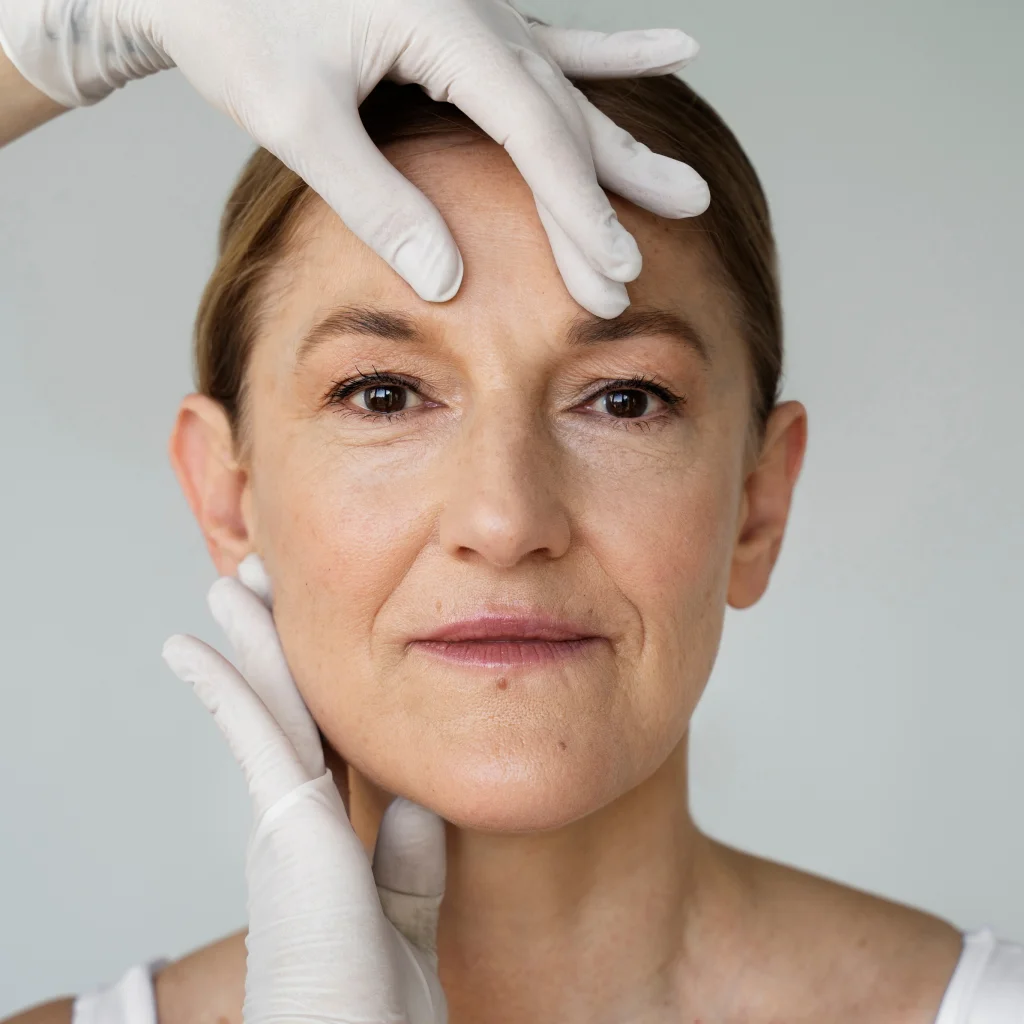
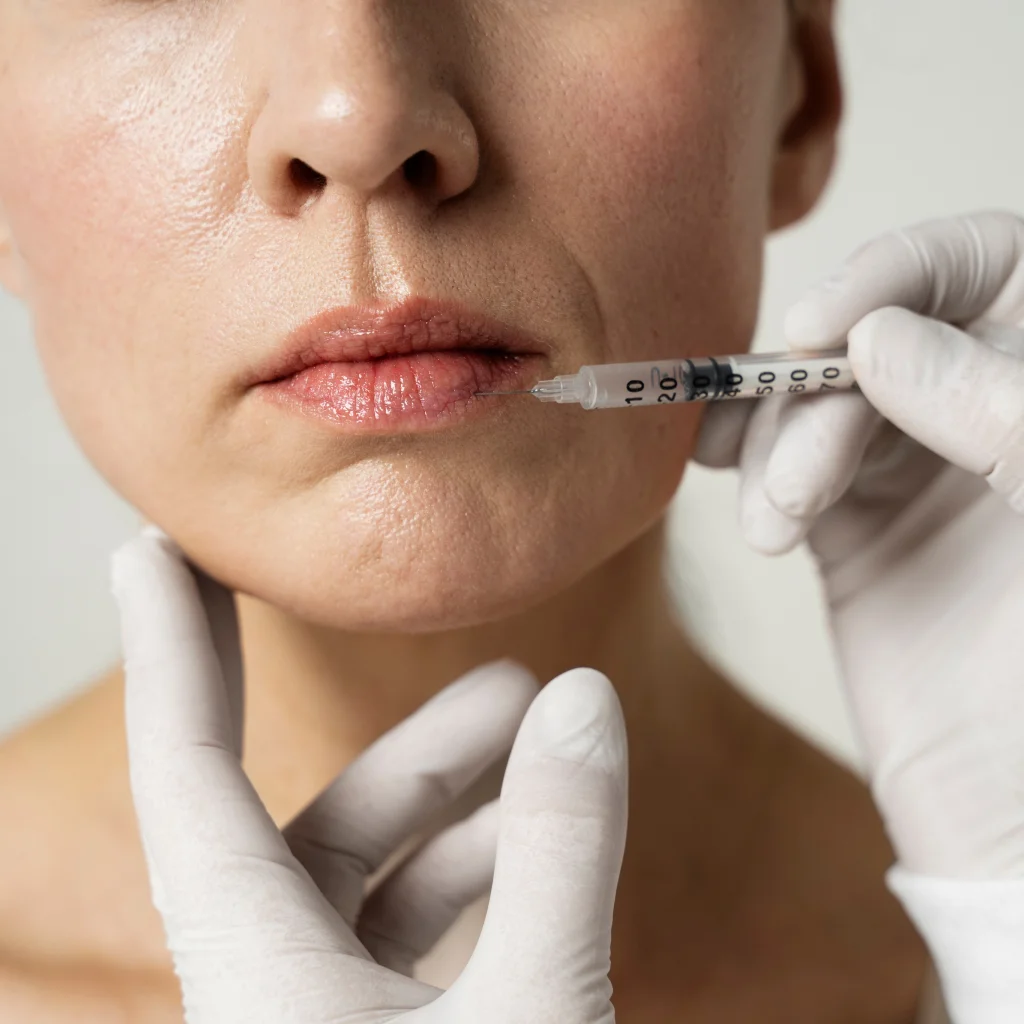
REVITALIZE YOUR HEALTH WITH PRF BIOREJUVENATION UNDERSTANDING PRF: PLATELET-RICH FIBRIN Platelet-Rich Fibrin, commonly referred to as PRF, is a groundbreaking biological substance derived from a patient's own blood. An improvement on platelet-rich plasma (PRP) with more platelets, growth factors, and other helpful components. This improvement makes it better for medical and dental procedures that help …

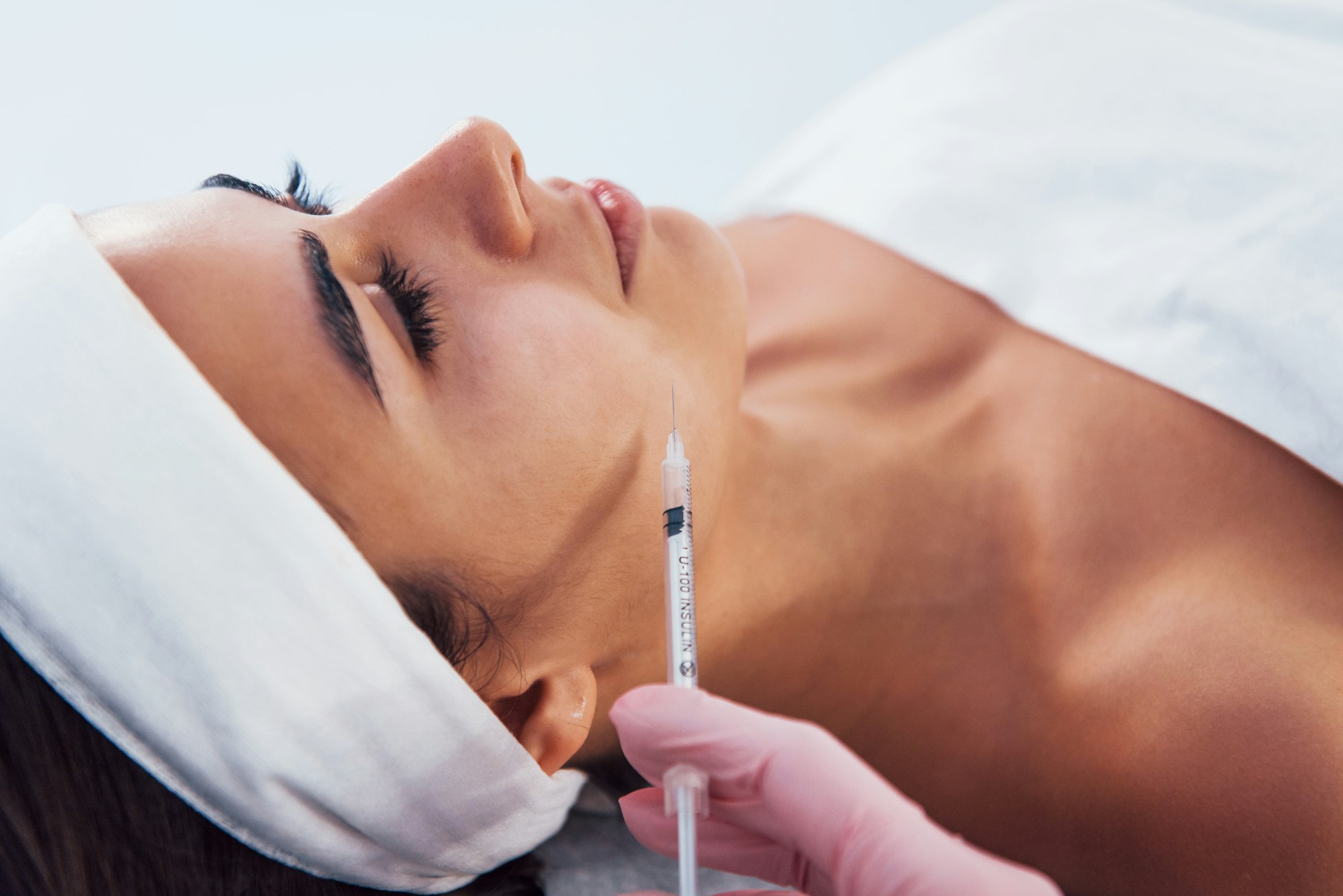
REVITALIZE YOUR HEALTH WITH PRF BIOREJUVENATION
UNDERSTANDING PRF: PLATELET-RICH FIBRIN
Platelet-Rich Fibrin, commonly referred to as PRF, is a groundbreaking biological substance derived from a patient’s own blood. An improvement on platelet-rich plasma (PRP) with more platelets, growth factors, and other helpful components. This improvement makes it better for medical and dental procedures that help tissues heal, regenerate, and grow new cells.
THE SCIENCE BEHIND PRF
Blood Collection and Processing
The journey towards creating PRF begins with a simple blood draw from the patient. This blood sample undergoes a meticulous processing method using a centrifuge.
Unlike the standard PRP, PRF benefits from a slower centrifugation process. This deliberate pace is crucial as it allows the formation of a fibrin matrix. This matrix is like a scaffold that holds and releases growth factors and cells needed for healing.
Formation of the Fibrin Matrix
One of the distinguishing features of PRF is the formation of a gel-like fibrin matrix during processing. This matrix acts as a natural scaffold that accommodates cells and growth factors. It ensures a sustained release of these bioactive substances over time, which significantly enhances the regenerative properties of PRF. The fibrin matrix helps the area heal by providing support and creating a good environment for tissue regeneration.
Concentration of Growth Factors
PRF is renowned for its high concentration of platelets replete with growth factors. These include:
- Platelet-Derived Growth Factor (PDGF): Promotes cell proliferation and angiogenesis.
- Transforming Growth Factor-Beta (TGF-β): Regulates inflammation and stimulates the formation of extracellular matrix.
- Vascular Endothelial Growth Factor (VEGF): Encourages the growth of new blood vessels.LOOD FACIAB
These growth factors play a critical role in tissue repair, wound healing, and the stimulation of new cell growth. By harnessing these powerful agents, PRF accelerates the body’s natural healing processes, making it invaluable in various medical and aesthetic applications.
Applications in Medical Aesthetics
In the realm of medical aesthetics, PRF has found numerous applications:
- Facial Rejuvenation: Reduces fine lines, wrinkles, and enhances skin texture and tone.
- Hair Restoration: Stimulates dormant hair follicles, promoting hair growth.
- Treatment of Scars and Skin Defects: Improves the appearance of scars, including acne scars, and aids in the healing of skin defects.
THE PRF PROCEDURE
Step-by-Step Process
The PRF procedure involves several carefully orchestrated steps:
- Blood Draw: A small amount of blood is drawn from the patient, similar to a routine blood test.
- Centrifugation is a process that separates and concentrates platelets and other beneficial components from collected blood. This process involves spinning the collected blood slowly in a centrifuge. By spinning the blood, the platelets and other beneficial components are separated and concentrated.
- Collection of PRF Clot: After centrifugation, the PRF clot is isolated. This clot can be applied topically, injected into the desired areas, or used in conjunction with other procedures depending on the specific treatment goals.
Treatment Protocols
The number of PRF treatments needed and how often they are done can vary depending on the patient’s condition and goals. Typically, experts recommend a series of treatments spaced weeks apart to achieve optimal results. The healthcare professional will tailor the treatment plan to meet the individual needs of each patient.
Advantages of PRF
- Autologous Substance: Since PRF is derived from the patient’s own blood, it minimizes the risk of allergic reactions and adverse effects, ensuring a high level of safety.
- Natural Healing: PRF leverages the body’s natural healing abilities, providing a holistic approach to tissue regeneration.
- Sustained Release: The fibrin matrix facilitates a sustained release of growth factors, enhancing the longevity of the treatment’s benefits.
SAFETY CONSIDERATIONS AND POTENTIAL RISKS
While PRF is considered safe because of its autologous nature, it is essential to be aware of potential risks and side effects. These may include:
- Bruising: Mild bruising at the injection site is common and typically resolves within a few days.
- Swelling: Patients may experience temporary swelling, which subsides naturally.
- Infection: Although rare, there is a minimal risk of infection, underscoring the importance of procedural sterility.
It is crucial to consult with a qualified healthcare professional to determine if PRF is suitable for your specific needs. They will provide proper guidance and care, ensuring a safe and effective treatment experience.
Platelet-Rich Fibrin (PRF) is a new treatment that harnesses the body’s natural healing abilities. It helps tissues heal and enhances patient outcomes in both medicine and beauty. Patients can make better decisions about their treatment options by understanding the science, procedure, benefits, and risks of PRF. PRF is a versatile treatment that shows the progress in regenerative medicine and improving appearance through its effectiveness in various uses.
Book a Consultation
It’s easy and free!