ALL YOU NEED TO KNOW ABOUT LASER FACELIFT WHAT IS A LASER FACELIFT? A laser facelift, also known as laser resurfacing, is a non-surgical cosmetic procedure designed to rejuvenate the appearance of the face using advanced laser technology. This treatment aims to improve skin tone, texture, and tightness, effectively reducing signs of aging and promoting …

ALL YOU NEED TO KNOW ABOUT LASER FACELIFT
WHAT IS A LASER FACELIFT?
A laser facelift, also known as laser resurfacing, is a non-surgical cosmetic procedure designed to rejuvenate the appearance of the face using advanced laser technology. This treatment aims to improve skin tone, texture, and tightness, effectively reducing signs of aging and promoting a more youthful and refreshed look.
Unlike traditional surgical facelifts that involve incisions and extensive tissue manipulation, a laser facelift uses laser energy to target specific layers of the skin. The laser energy stimulates collagen production, which tightens and firms the skin over time. Additionally, the laser promotes the removal of damaged skin cells, allowing for the growth of new, healthier skin.
HOW DOES A LASER FACELIFT WORK?
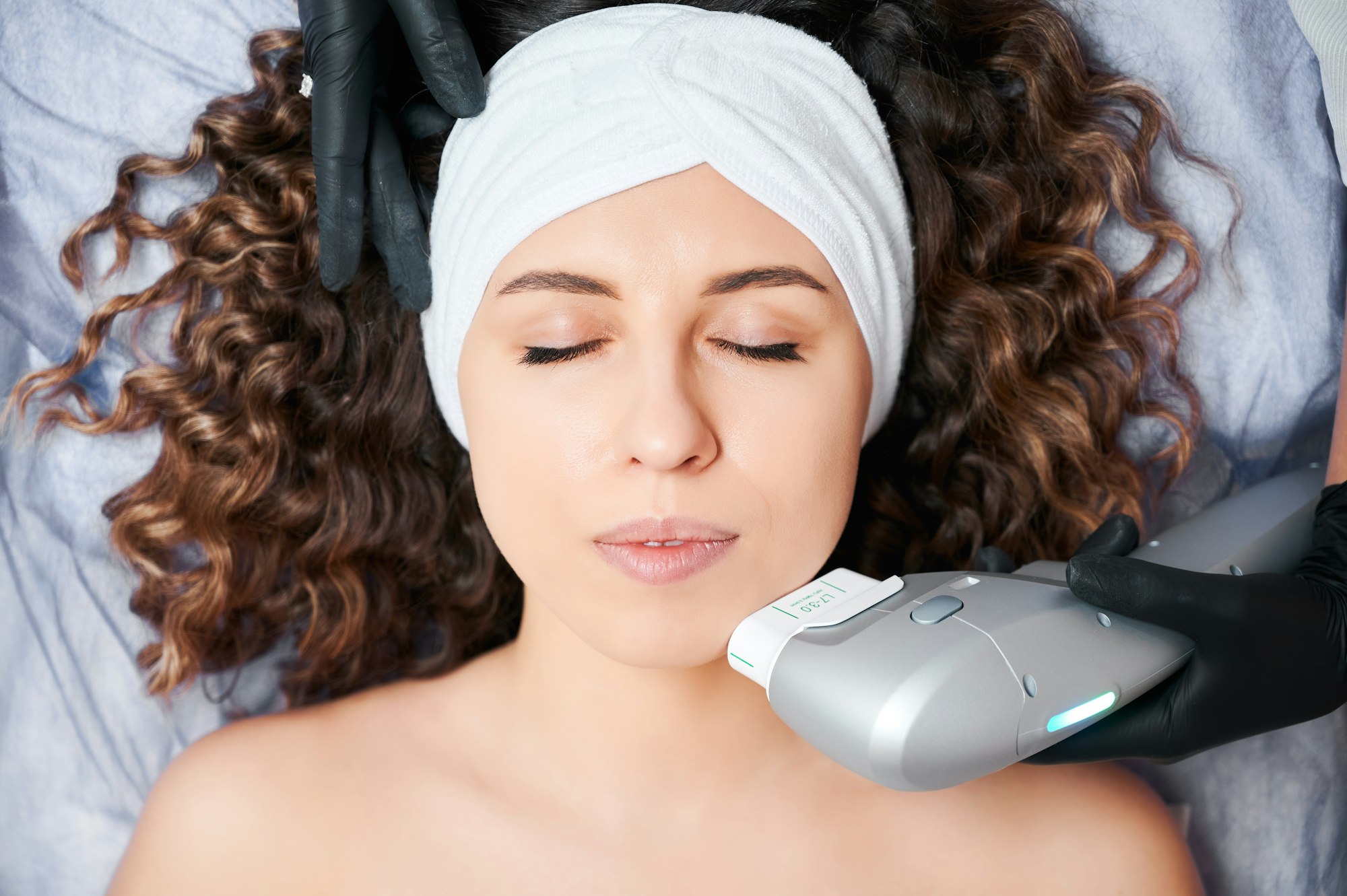
During a laser facelift procedure, the skin is typically numbed with a topical or local anesthetic to minimize discomfort. The specific laser device and settings used depend on the individual’s skin condition, desired outcomes, and the expertise of the healthcare professional performing the procedure.
The laser energy is directed onto the skin, and the heat generated by the laser selectively targets the deeper layers, such as the dermis. This controlled thermal injury prompts the skin to produce new collagen, resulting in skin tightening and improved elasticity. The laser can also address various concerns, including wrinkles, fine lines, sun damage, pigmentation irregularities, and scars.
The Procedure
- Preparation: Before the procedure, the skin is cleansed, and a topical anesthetic is applied to minimize discomfort. In some cases, a local anesthetic might be used to ensure maximum comfort during the treatment.
- Laser Application: The laser device is carefully calibrated based on the patient’s skin type and treatment goals. The laser energy is then applied to the targeted areas of the face. The duration of the procedure can vary but typically lasts between 30 minutes to an hour.
- Post-Treatment Care: After the procedure, the treated area may be cooled with a soothing gel or an ice pack to reduce any immediate discomfort. Patients are provided with post-treatment care instructions, which may include the application of recommended skincare products, avoiding direct sun exposure, and practicing proper wound care.
RECOVERY AND RESULTS
The recovery period after a laser facelift varies depending on the depth and intensity of the treatment. Generally, there may be redness, swelling, and some mild discomfort in the treated area, similar to a sunburn. These symptoms typically subside within a few days to a week.
Patients can usually resume normal activities shortly after the procedure, although it is advisable to avoid strenuous activities and direct sun exposure for a few days. The full results of a laser facelift become more apparent over several weeks as new collagen continues to form and the skin gradually improves in texture and tightness.
WHO IS A PERFECT CANDIDATE FOR A LASER FACELIFT?
A laser facelift is ideal for individuals who want to maintain or restore their skin’s youthful appearance without undergoing invasive surgery. It is particularly beneficial for those who wish to reverse signs of aging, such as wrinkles, fine lines, and sun damage, with minimal downtime. Ideal candidates for a laser facelift are typically:
- Individuals with mild to moderate signs of aging.
- Those who prefer a non-surgical approach to facial rejuvenation.
- People with realistic expectations about the outcomes of the procedure.
- Those who do not have severe skin conditions or active infections in the treatment area.
WHAT TO AVOID BEFORE YOUR LASER FACIAL PROCEDURE
To ensure optimal results and minimize the risk of complications, it is important to follow these pre-treatment guidelines:
- Avoid Retinol and Retin-A Products: Discontinue the use of retinol and Retin-A products at least 72 hours before your treatment.
- Auto-Immune Therapies: Refrain from taking auto-immune therapies for 12 hours prior to your treatment.
- Sun Exposure: Avoid exposing your skin to the sun in the days leading up to your treatment. Sunburned or tanned skin can increase the risk of adverse reactions.
- Makeup: Do not apply makeup on the day of your treatment to ensure your skin is clean and free of any products that might interfere with the laser.
CONSULTATION AND PROFESSIONAL ASSESSMENT
An initial consultation with an experienced healthcare professional is crucial to determine if a laser facelift is suitable for your specific skin concerns and goals. During this consultation, your skin condition will be assessed, and potential risks and benefits will be discussed. The healthcare professional will recommend the most appropriate treatment options to achieve optimal results tailored to your individual needs.
CONCLUSION
A laser facelift is an effective and non-invasive method to rejuvenate the skin, offering significant improvements in tone, texture, and tightness. By stimulating collagen production and promoting the growth of healthier skin, this procedure can help you achieve a more youthful and refreshed appearance without the need for surgical intervention. With proper pre-treatment care and adherence to post-treatment guidelines, a laser facelift can provide long-lasting, natural-looking results.
Book a Consultation
It’s easy and free!